

How to Standardize Signage Specifications for Chain Stores
Signage standardization for chain stores involves establishing brand visual guidelines and signage requirements for different store types, standardizing design and technical specifications as well as production and quality control processes, and maintaining technical records for future repeat orders. Establish Brand Visual Standards The brand’s visual standards should cover the following key aspects. Primary and […]
Signage standardization for chain stores involves establishing brand visual guidelines and signage requirements for different store types, standardizing design and technical specifications as well as production and quality control processes, and maintaining technical records for future repeat orders.
Establish Brand Visual Standards
The brand’s visual standards should cover the following key aspects.
- Primary and Secondary Colors: Define consistent color values for signage production to maintain brand recognition across all chain store locations.
- Brand Fonts: Specify approved font families, weights, and spacing to ensure consistent typography across signage at different locations.
- Logo Usage Guidelines: Set clear rules for logo spacing, minimum size, and modifications to ensure consistent logo presentation across all stores.
Define Signage Standards for Different Store Types
Different store formats require different signage solutions while maintaining a consistent brand identity.
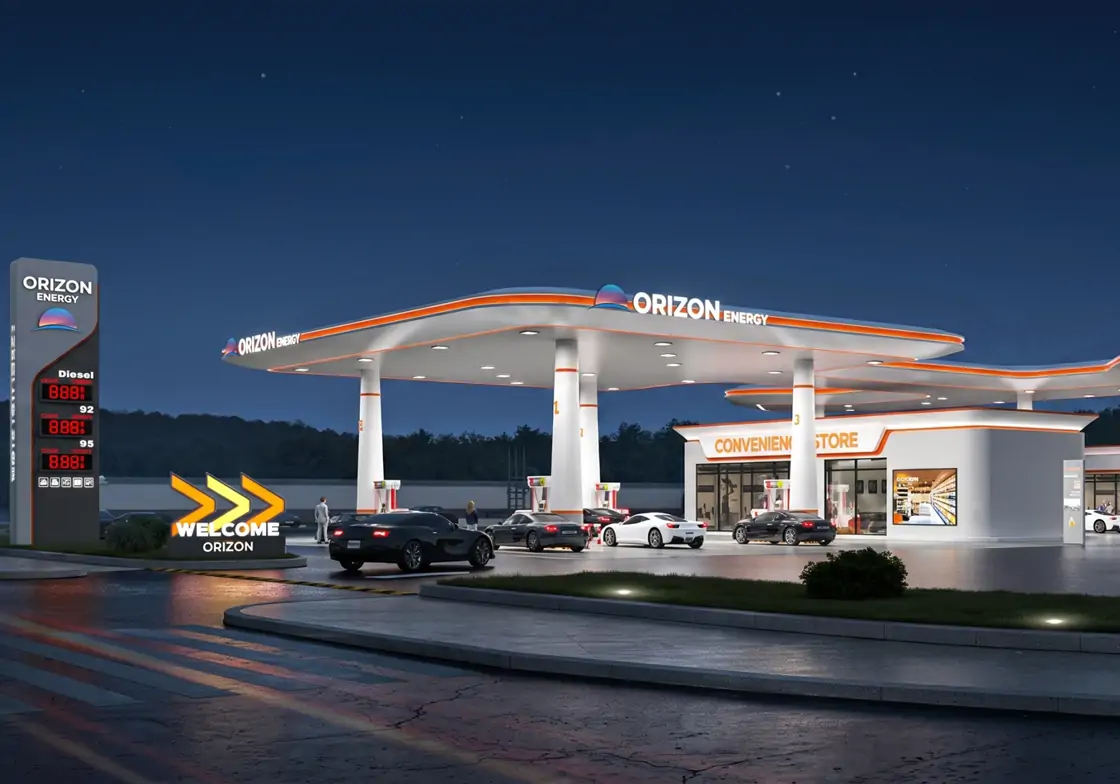
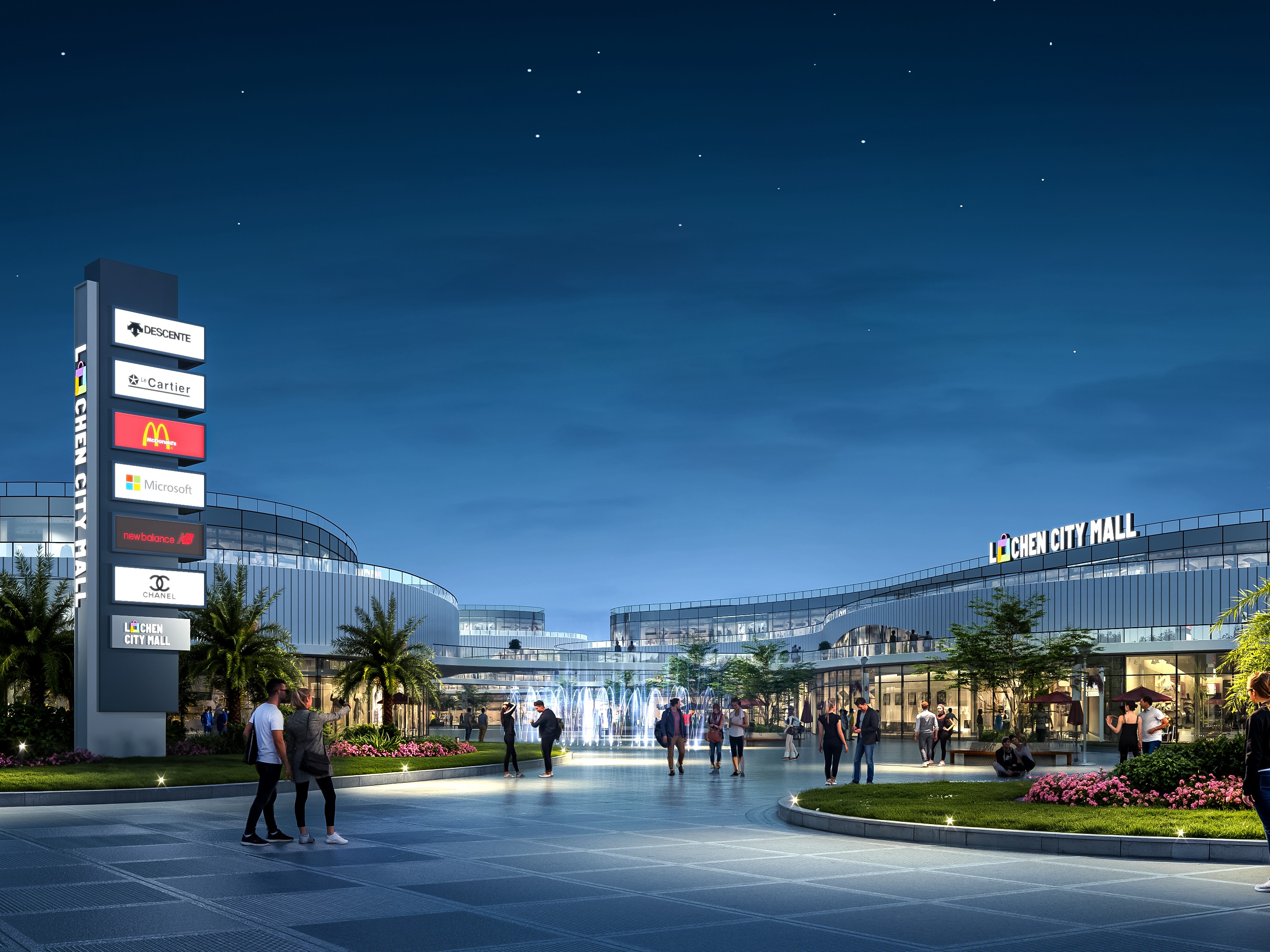
- Flagship Store: Flagship stores serve as key brand showcases and experiential spaces, often requiring distinctive signage designs and customized fabrication while maintaining consistent brand standards.
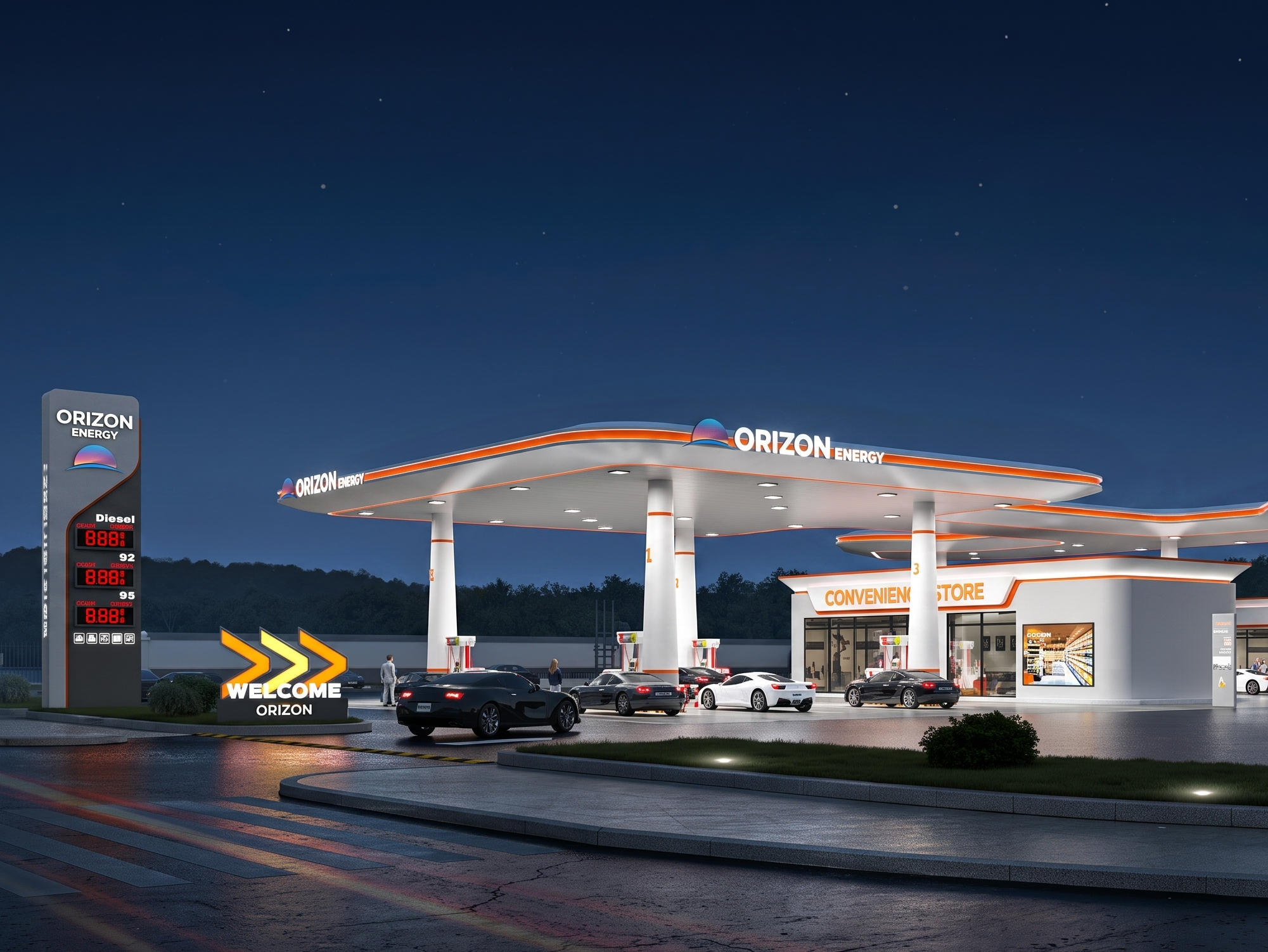
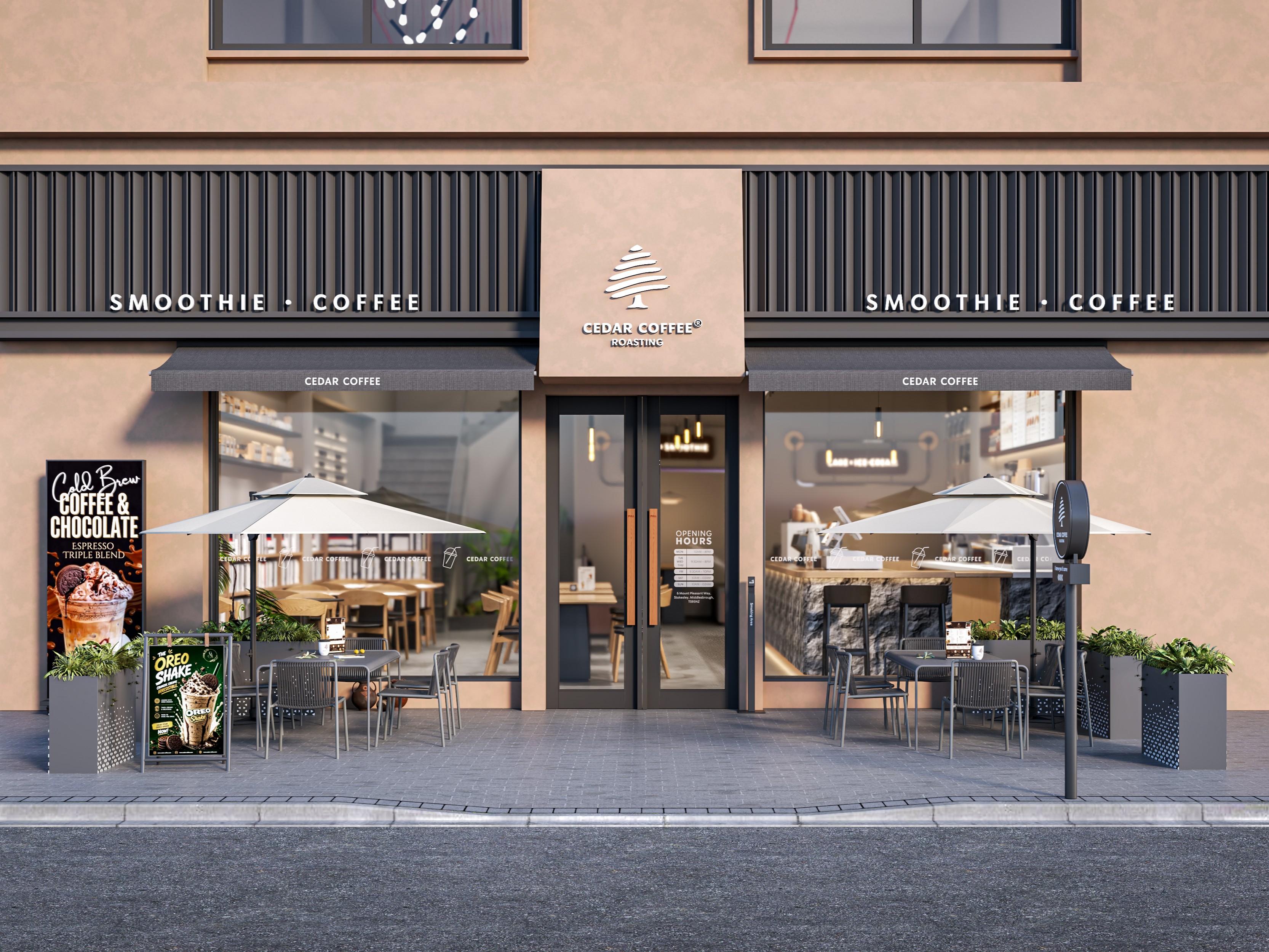
- Standard Store: Standard stores require repeatable signage specifications for dimensions, materials, finishes, and installation methods to ensure consistency across multiple locations.
- Shop-in-Shop: Shop-in-shop signage specifications should accommodate limited space, existing store layouts, and installation requirements while preserving the brand’s visual identity.
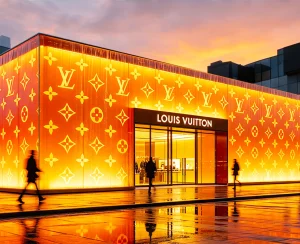
- Pop-Up Stores: Pop-up stores often feature themed or campaign-specific designs, requiring customized signage that is visually distinctive, portable, and easy to install and remove. Explore our Louis Vuitton Pop-Up Store Signage Case Study to see how signage is used in a luxury pop-up store.
Managing a signage rollout for your chain stores? Get a Custom Quote
Standardize Design and Technical Specifications
To maintain brand consistency across multiple locations, chain brands should establish standardized design and technical specifications for their signage. Key specifications include:
| Specification Item | Details to Standardize |
|---|---|
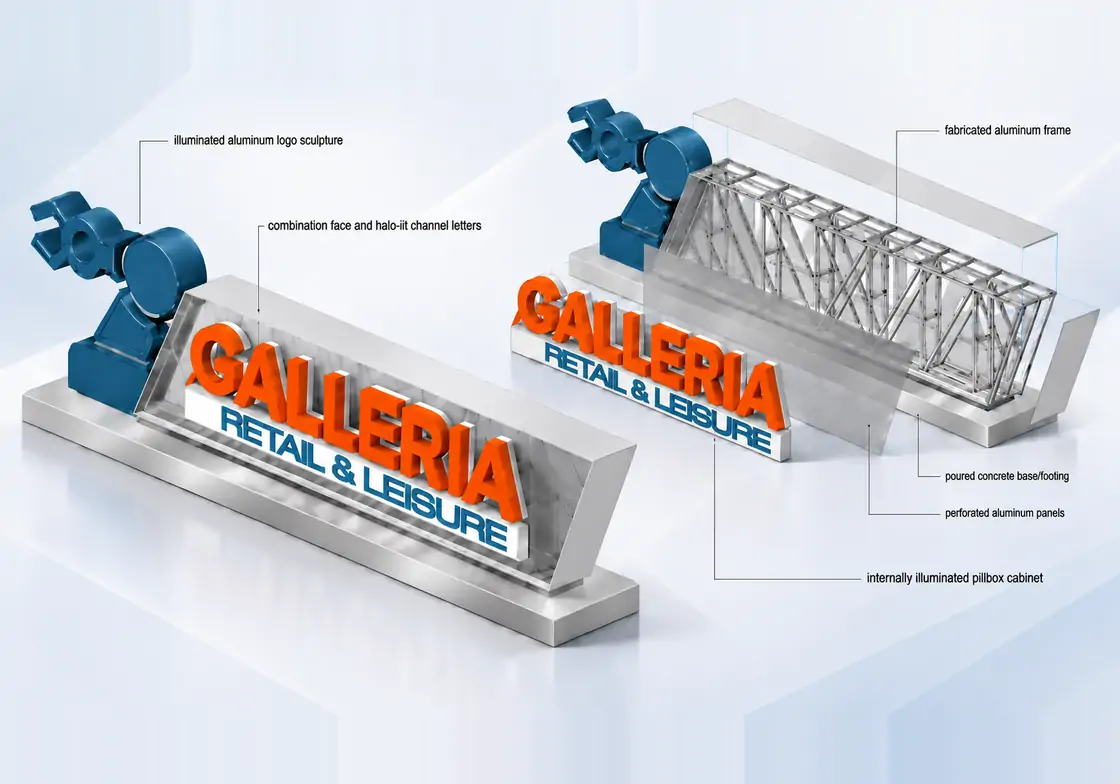
| Materials | Material grades, thickness, dimensions, and approved suppliers |
| Colors and Finishes | Brand color references, paint codes, and surface finishes |
| Illumination | LED specifications, brightness levels, and color temperature |
| Mounting | Mounting positions, installation heights, fixing methods, and support requirements |
| Electrical Components | Power supply, voltage, and wiring specifications |
| Approved Variations | Permitted material substitutions, alternative mounting methods, and site-specific adjustments |
While core specifications should remain consistent, approved variations may be necessary to accommodate differences in building structures, installation conditions, and local project requirements. These variations should be defined in advance to maintain overall brand consistency.
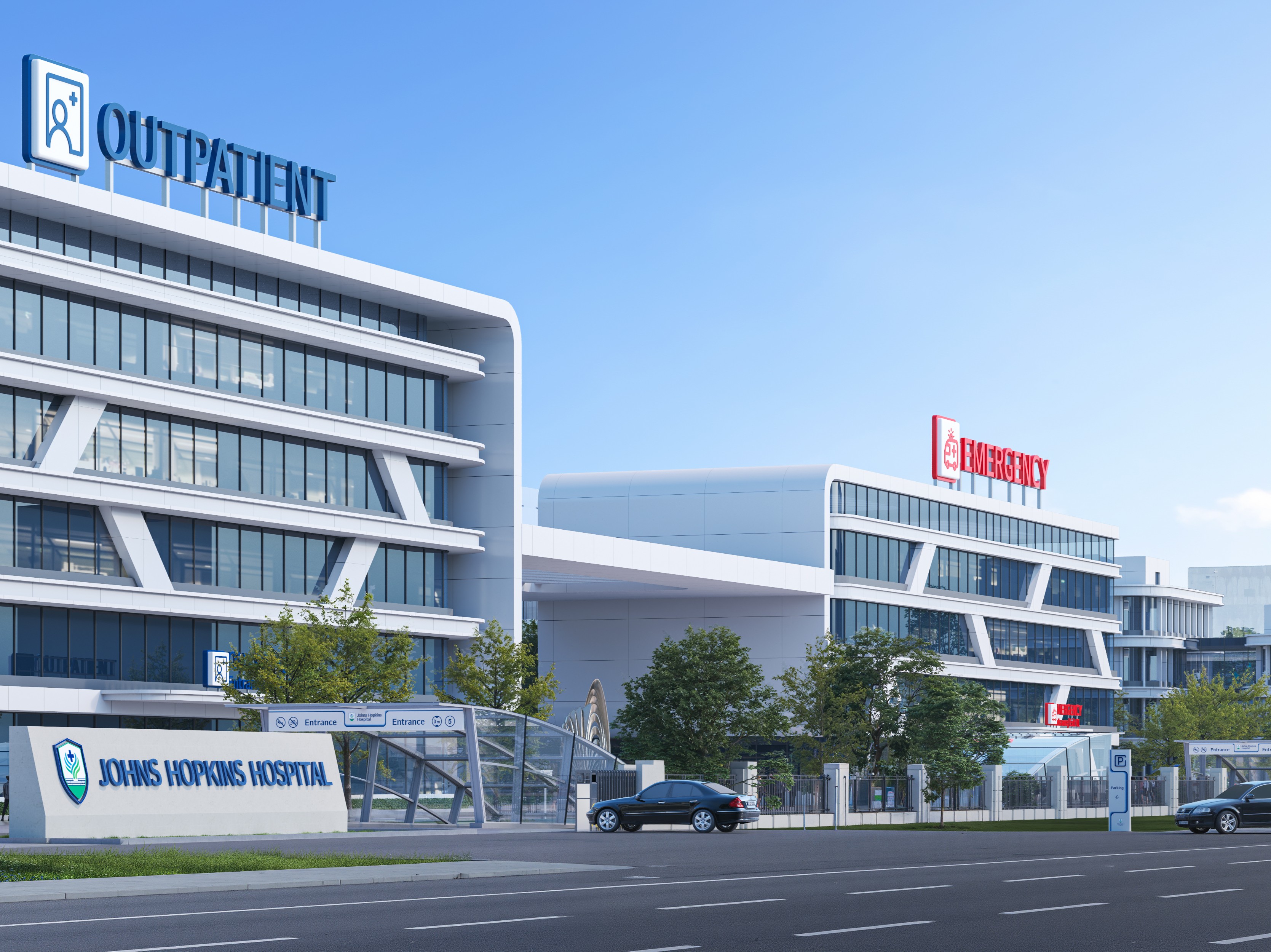
To see how brands maintain consistent signage standards across multiple locations, explore our Chain Store Signage Projects.
Need consistent signage across multiple locations? Discuss Your Project
Review Specifications for Manufacturing Feasibility
Review standardized signage specifications to verify that materials, structures, and design requirements are practical for manufacturing and can be reliably produced.
Standardize Manufacturing and Quality Control
Consistent manufacturing and quality control processes ensure that signage products meet the same specifications and quality standards across production batches.
Standardize Manufacturing Processes
Signage manufacturers should establish consistent fabrication and assembly procedures, including cutting, bending, welding, painting, and wire routing, to ensure products meet the same specifications across production batches.
Ensure Consistent Quality Through Inspections
Quality inspections in signage manufacturing may cover the following three stages, depending on product and project requirements. LC Sign applies relevant procedures as needed:
- Incoming Quality Control (IQC): Signage manufacturers inspect incoming materials for dimensions, appearance, material type, and electrical parameters to ensure all materials meet the same quality standards and specifications.
- In-Process Quality Control (IPQC): During processes such as bending, welding, and painting, the production and quality control teams inspect specific aspects of each process to ensure consistent signage quality across different store locations.
- Final Quality Control (FQC): Signage manufacturers check finished product dimensions, structures, appearance, and functionality against standardized criteria, with priorities varying by signage type to maintain consistent signage quality across store locations. Nonconforming products are reworked or remade, while those with severe defects are scrapped.
At LC Sign, we apply relevant IQC, IPQC, and FQC inspection procedures to ensure that signage materials, fabrication, and finished products meet standardized requirements, maintaining consistent signage quality across production batches and different store locations.
Maintain Technical Records for Repeat Orders
Signage suppliers should retain approved drawings, material and product specifications, and quality inspection records to support consistent production for future repeat orders across different store locations.