
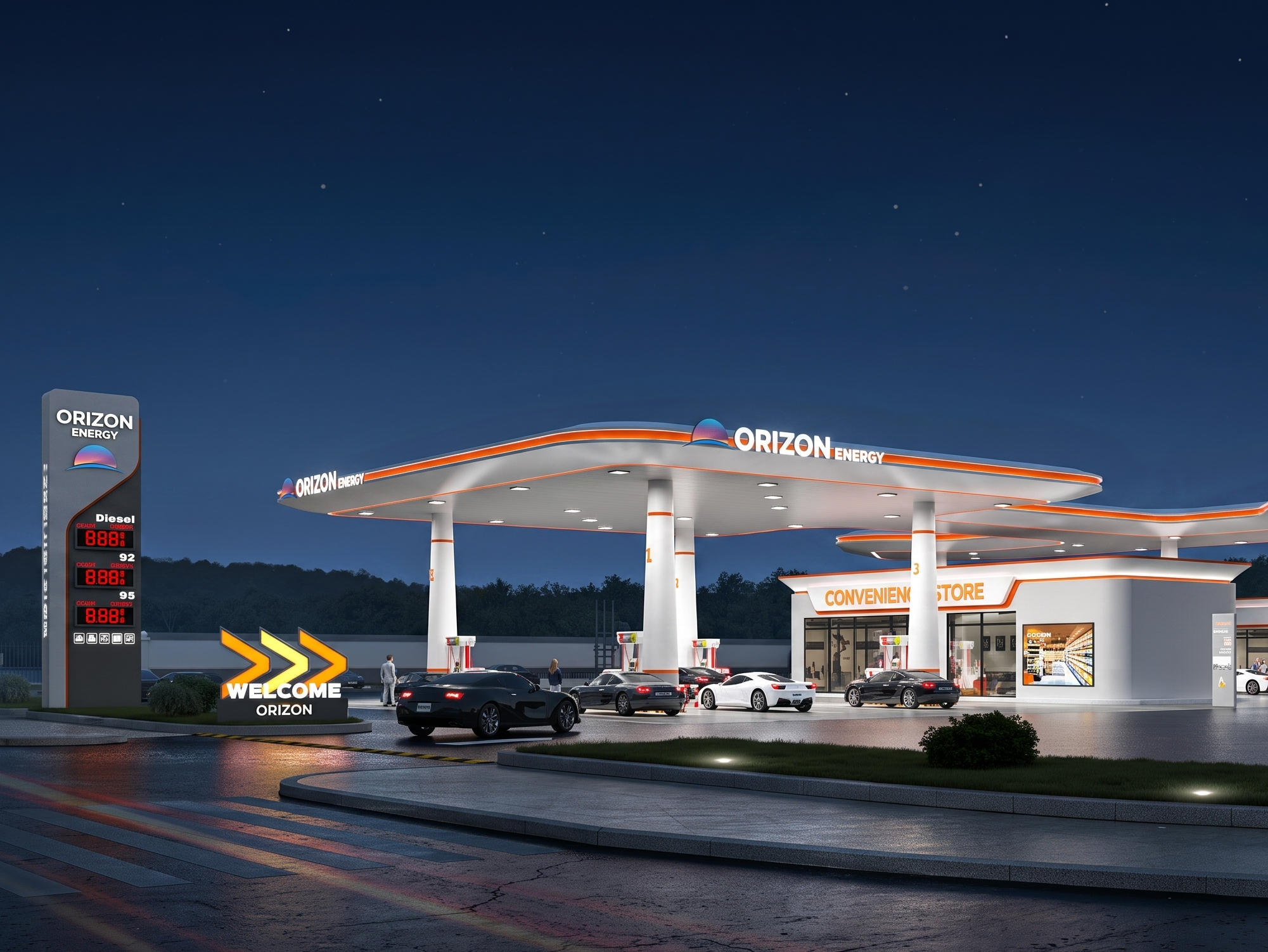




How to Plan a Signage Rollout for a Multi-Location Retail Brand
A successful multi-location signage rollout starts with clear planning and coordinated execution. From defining project requirements and conducting site surveys to establishing brand guidelines, securing approvals, coordinating manufacturing and delivery, each step helps maintain brand consistency and ensure a smooth rollout across all store locations. Define Project Requirements Before planning the rollout, it is […]

A successful multi-location signage rollout starts with clear planning and coordinated execution. From defining project requirements and conducting site surveys to establishing brand guidelines, securing approvals, coordinating manufacturing and delivery, each step helps maintain brand consistency and ensure a smooth rollout across all store locations.
Define Project Requirements
Before planning the rollout, it is important to first define the project’s overall scope and key objectives.
- Number of Locations: Identify how many stores are included in the rollout and where they are located to determine the overall project scale.
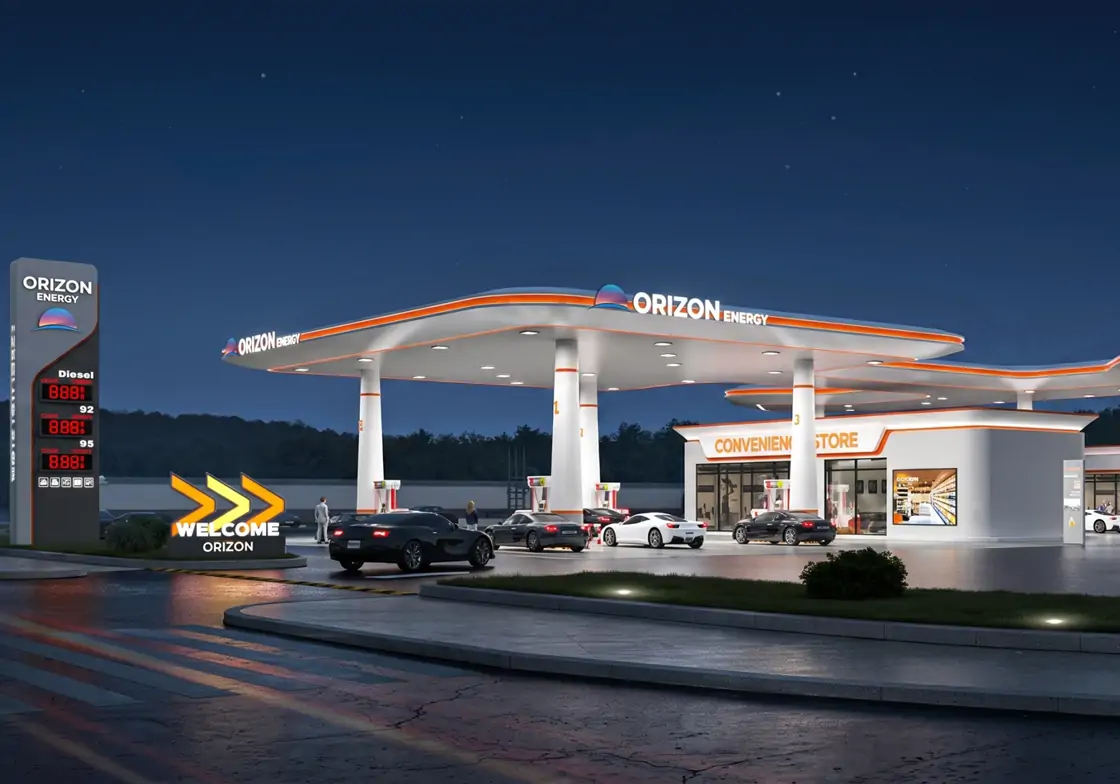
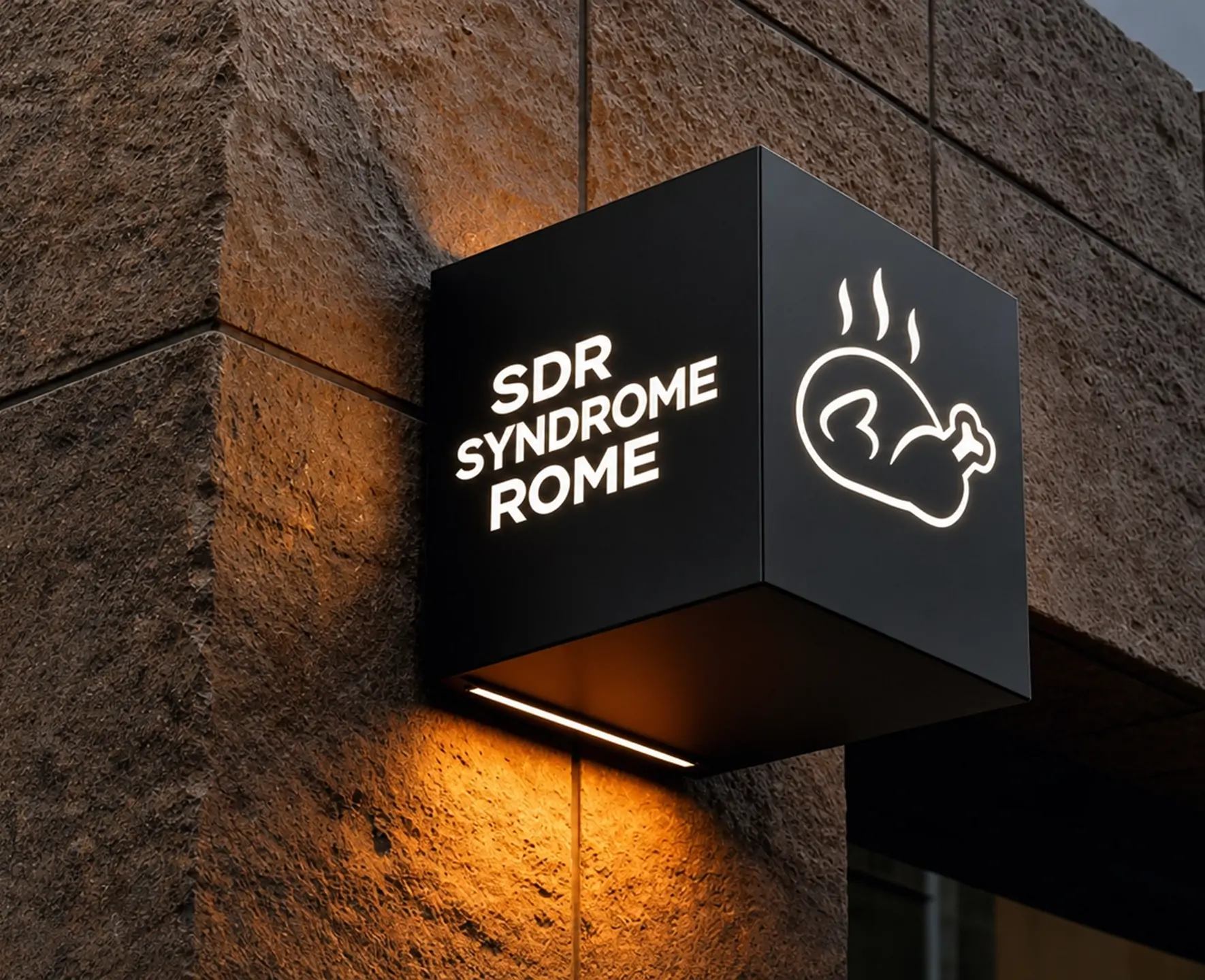
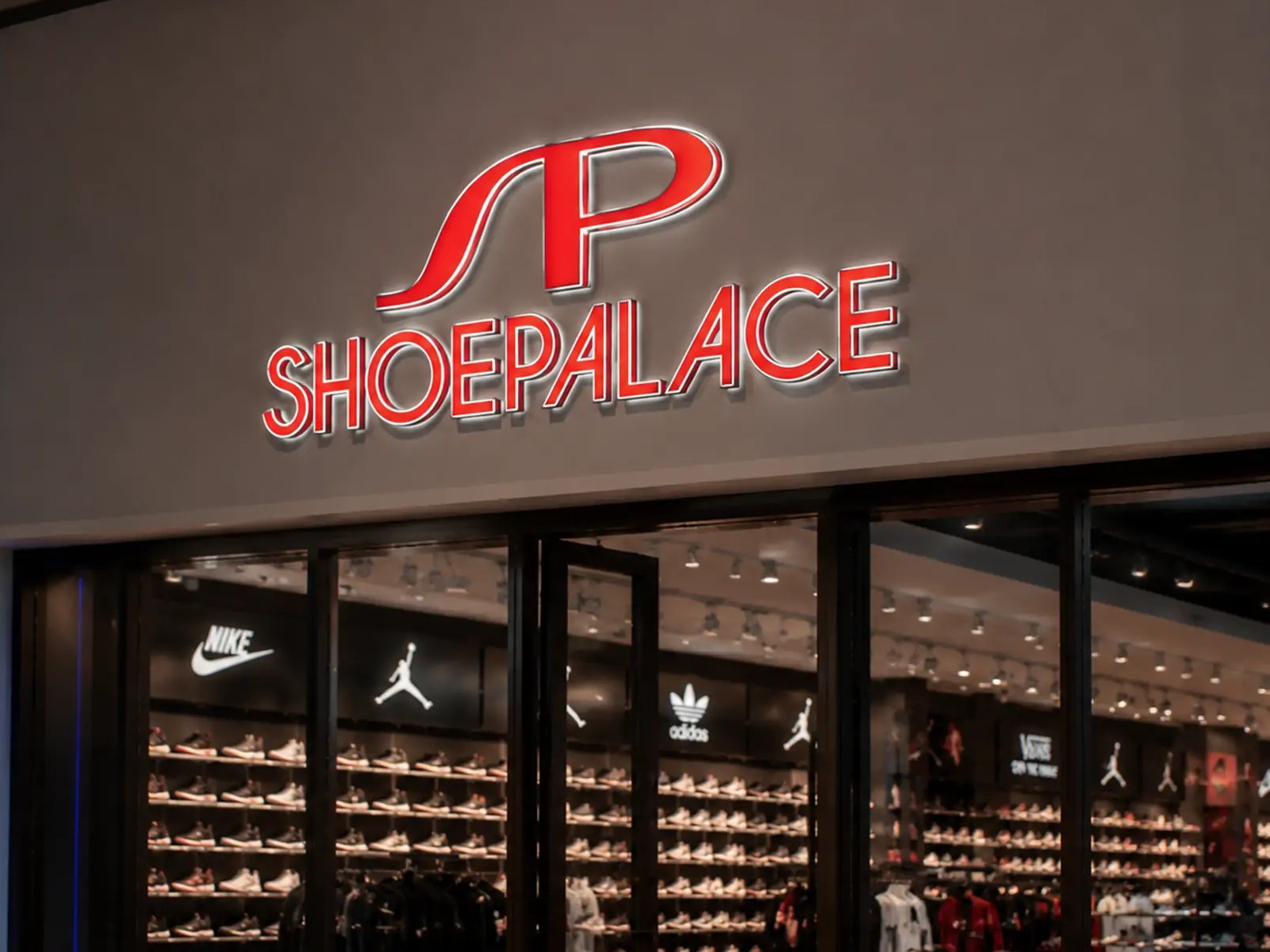
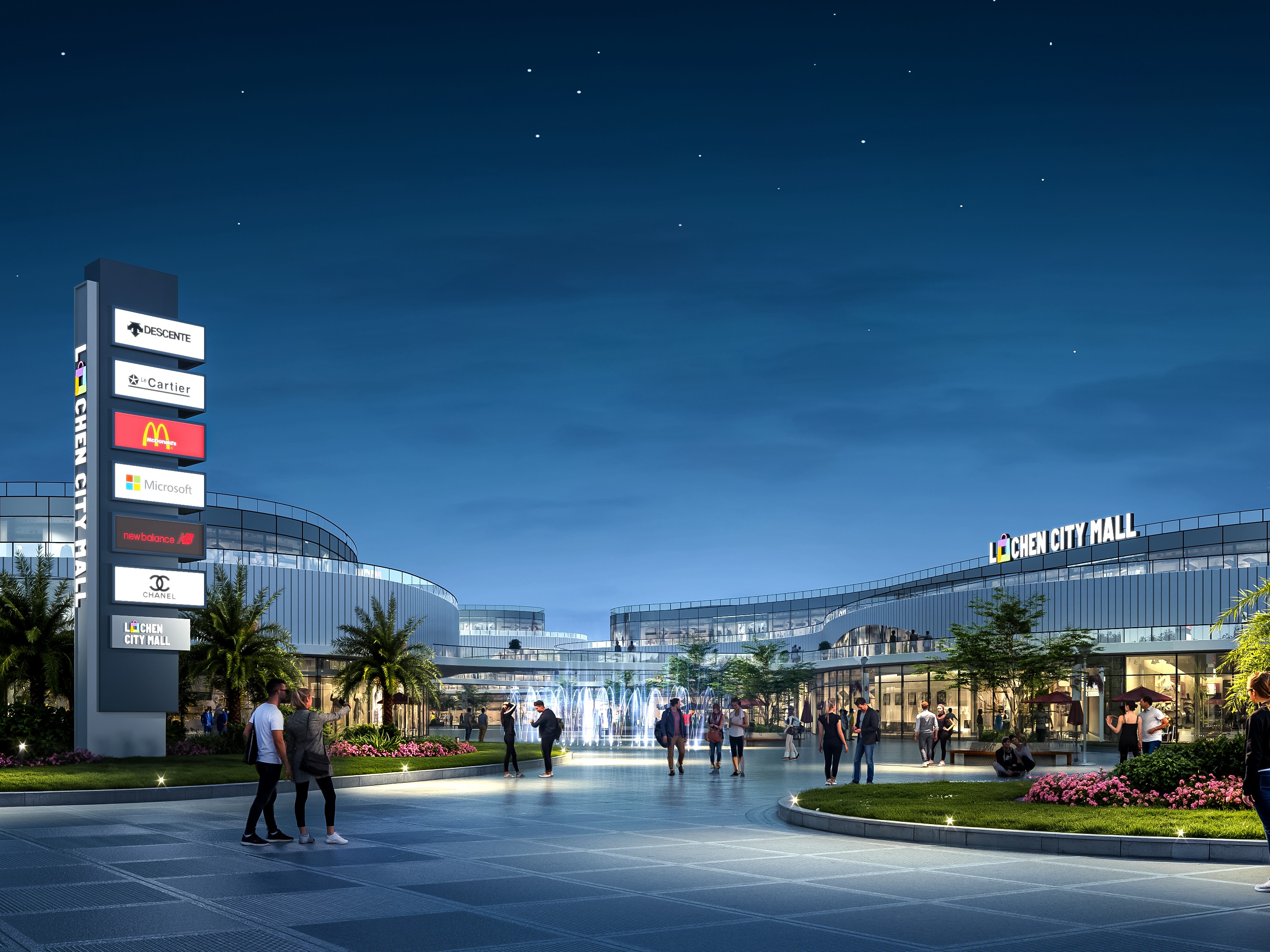
- Signage Requirements: Determine which signage types each store needs, such as backlit channel letters, pylon signs, and wayfinding signs.
- Project Timeline: Establish key deadlines for signage production and delivery based on new store openings, brand updates, or store renovation schedules.
- Budget and Allocation: Set the overall project budget and allocate funds across locations based on their signage requirements and project priorities.
Standardize Site Surveys
For multi-location retail projects, standardized site surveys help identify each store’s conditions and guide subsequent signage planning.
- Available Installation Space: Measure the available space at each location to determine suitable signage dimensions and placement.
- Building Conditions and Installation Constraints: Identify wall materials, mounting surfaces, trees, poles, and other building elements that may affect signage placement or installation.
- Electrical Access and Power Requirements: Record available power sources and electrical requirements for illuminated signage at each store.
- Viewing Distance and Visibility Requirements: Assess viewing distances and angles to ensure signage remains visible from nearby roads and walkways.
- Existing Signage and Removal Considerations: Document existing signs and identify which need to be removed, replaced, or retained.
Develop Formal Brand Guidelines
For multi-location retail projects, formal brand guidelines establish consistent standards for signage across all store locations.
Brand Guideline Elements Guideline Details
Logo Usage and Placement Logo size, proportions, color variations, clear space, and placement on different signs.
Typography and Color Standards Brand fonts, font sizes, color codes, and approved color combinations.
Signage Design and Layout Sign dimensions, graphic layouts, text hierarchy, spacing, and visual consistency.
Materials, Finishes, and Illumination Approved materials, surface finishes, lighting types, and illumination effects.
Standard Signage Applications Standard layouts for storefront signs, channel letters, pylon signs, wayfinding signs, and ADA signage.
These standards help maintain brand consistency across locations while allowing signage to be adapted to the specific requirements and site conditions of each store.
Need Consistent Signage Across Locations? Get Project Support
Plan Signage Permits and Property Approvals Early
For multi-location retail projects, signage regulations and approval requirements vary by location. Before finalizing signage plans, check local regulations, permit requirements, and property guidelines. Coordinate with local authorities and property representatives to confirm approval processes and estimated timeframes.
Coordinate Signage Manufacturing and Supply
With project requirements and signage standards are established, coordinate production and delivery with a signage manufacturer. When selecting a manufacturer, consider the following factors:
- Manufacturing Capacity and Project Experience: Assess the manufacturer’s experience with multi-location projects and ability to handle large-volume orders.
- Production Planning and Scheduling: Check whether the manufacturer can coordinate production schedules with individual store opening dates and project deadlines.
- Quality Control and Inspection: Review the manufacturer’s quality control procedures, including material checks, production inspections, and pre-shipment testing.
- Packaging and Delivery Coordination: Evaluate export packaging, shipping arrangements, and the ability to coordinate deliveries across multiple locations.
After selecting a manufacturer and finalizing production plans, proceed with manufacturing, quality checks, and delivery as scheduled. Aligning these activities with store opening dates helps keep the rollout on track.

Planning a Multi-Location Signage Rollout? Discuss Your Project
Frequently Asked Questions
Should all locations use the same signage specifications?
Not necessarily. All locations should follow consistent brand guidelines, but signage specifications may vary based on local regulations and site conditions.
Is it better to source multi-location signage from one manufacturer or multiple suppliers?
Both options can work, but using one manufacturer can help maintain brand consistency, simplify communication, and coordinate production and delivery across all locations.
Does Each Store Location Require a Separate Signage Permit?
A separate permit may be required for each location, depending on local regulations and signage requirements.