





How to Choose a Signage Manufacturer for a Construction Project
Every construction project has different signage requirements, and not every manufacturer is equipped to meet them. Selecting a suitable signage manufacturer involves matching its manufacturing expertise and project experience with the practical demands of the project, from brand rollouts to commercial interiors and large-scale developments. Define the Project Scope Review these aspects of the project […]
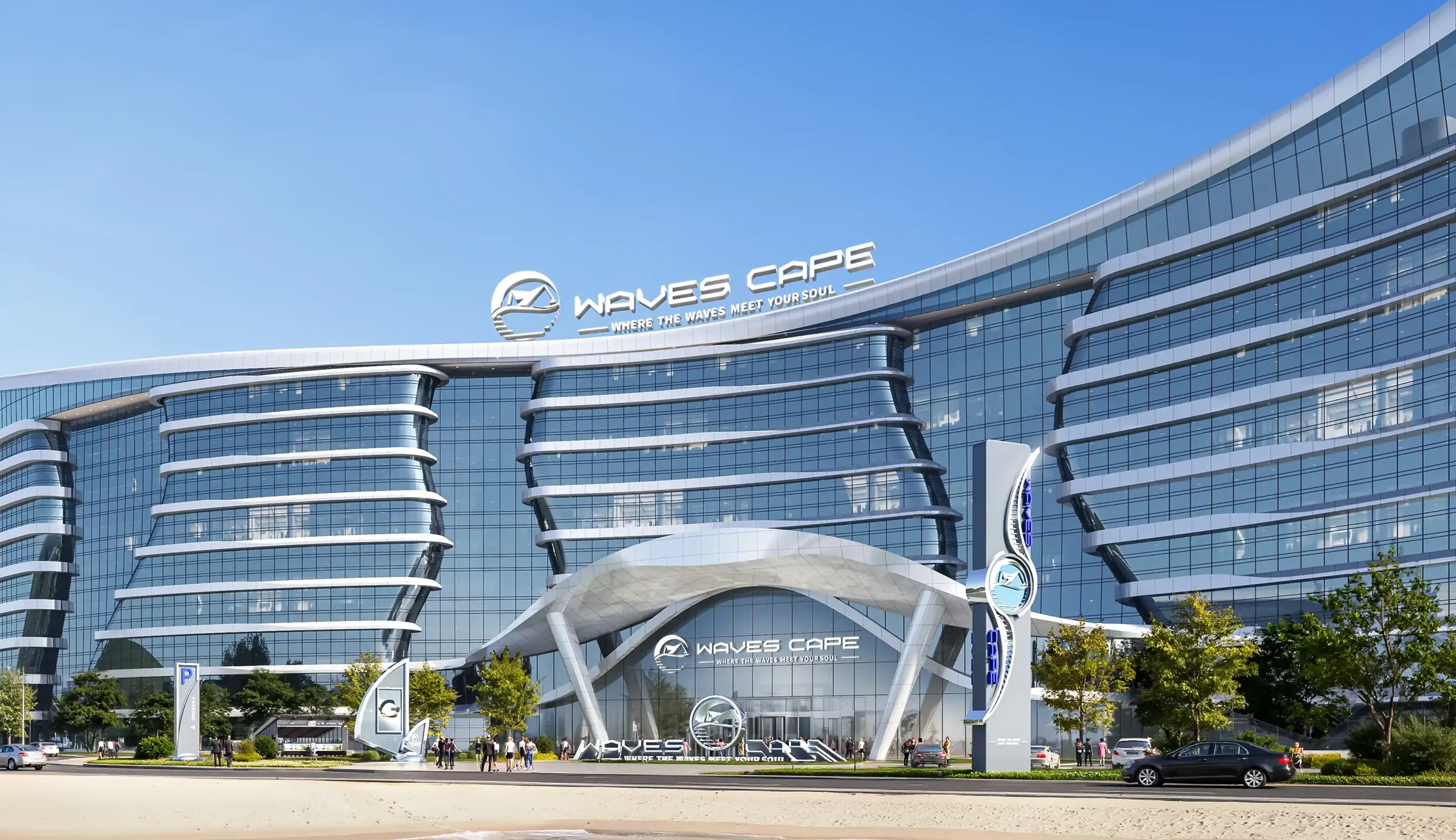
Every construction project has different signage requirements, and not every manufacturer is equipped to meet them. Selecting a suitable signage manufacturer involves matching its manufacturing expertise and project experience with the practical demands of the project, from brand rollouts to commercial interiors and large-scale developments.
Define the Project Scope
Review these aspects of the project scope to determine the capabilities and experience to look for in a supplier.
- Project Type and Scale: Start by identifying the project type, such as a commercial complex, hotel, or hospital, along with its overall scale.
- Signage Requirements: Define the required sign types, quantities, materials, and key specifications based on the project drawings or design documents.
- Site and Delivery Conditions: Consider the installation environment, project location, and delivery timeframe, as these factors may affect material and transportation requirements.
Shortlist Potential Manufacturers
Build an initial shortlist of signage manufacturers whose product range and service capabilities align with the project type, signage requirements, and delivery expectations.
Assess Manufacturing and Engineering Capabilities
A manufacturer’s fabrication expertise, processing methods, and engineering capabilities determine how well it can meet project-specific requirements.
- Material Processing Capabilities: Assess cutting, bending, welding, and finishing across varied signage materials.
- Custom Fabrication Capabilities: Check experience producing custom signs, complex structures, and specialized components.
- Design-to-Manufacturing Capabilities: Evaluate the manufacturer’s ability to convert technical drawings into manufacturing instructions.
- Quality Assurance and Testing: Review the manufacturer’s QA/QC procedures, inspection standards, electrical testing, and FAT procedures for pre-shipment product verification.

Planning a Construction Signage Project? Get a Project Consultation
Evaluate Relevant Project Experience
When comparing sign manufacturers, it helps to look at their experience with projects similar to yours. These pages cover common project types, with real project overviews, challenges, and project-specific solutions to reference.
Verify Certifications and Compliance
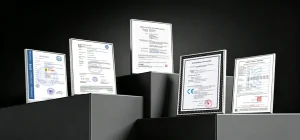
Check relevant certifications and applicable regulatory requirements for the project location and signage type. Common examples include:
- UL Certification(20190419-E503901): Evaluating electrical safety, overload protection, heat tolerance, and moisture resistance for products intended for the North American market.
- CE Marking( LVD:64.140.24.07261.01/EMC:64.184.24.07261.01): Indicating compliance with applicable EU requirements for health, safety, and environmental protection across the European Economic Area.
- TÜV Certification(64.164.24.07262.01/64.164.24.07263.01): Providing internationally recognized testing and evaluation of product safety, performance, and reliability against applicable technical standards.
- PSE Certification(LTC2511039TH01): Verifying that applicable electrical products meet safety standards in Japan, including electrical hazard and electromagnetic compatibility requirements.
- KC Certification(9CC9-DC95-1236-85D9): Confirming compliance with South Korean safety standards for electrical and electronic products.
Also confirm compliance with applicable ADA requirements for accessible signage on relevant U.S. projects.
For more information on certification requirements across different markets and the certifications held by LC Sign, see [5 Certifications behind LC Sign’s Commitment to Quality and Credibility].
Looking for a Reliable Signage Manufacturer? Partner with LC Sign
Request Detailed Proposals and Timelines
Clear project proposals allow you to compare manufacturers on costs, timelines, and service scope.
- Itemized Quotation: Request pricing by sign type and quantity, clarifying whether packaging and shipping are included.
- Production Schedule: Confirm timelines for design approval, prototyping, fabrication, and quality inspection, along with key project milestones.
- Delivery Arrangements: Verify delivery terms, shipping methods, transit times, and whether installation support is included.
- Scope and Exclusions: Clarify the manufacturer’s responsibilities, excluded services, and agreed payment terms before placing an order.
Evaluate Project Coordination
Check how the signage manufacturer communicates progress, resolves design and scheduling issues, and coordinates project schedules with construction timelines in collaboration with designers, contractors, brand representatives, and other stakeholders.
Validate Samples or Prototypes
Request a sample or prototype, then compare it with approved drawings, brand guidelines, material selections, and finishing requirements before mass production.